
Kain Semutar in Silat Practice: The Practical Cloth of the Malay Warrior
Function and readiness in Silat practice and daily life

The kain semutar is a traditional Malay cloth known for its simplicity, adaptability, and purpose-driven design. Traditionally worn as a headcloth, it differs from ornate ceremonial headgear in one important way: it was made for practical use.
Among East Coast Malays in particular, the semutar has long served everyday needs—protecting the head from the sun, managing sweat, and supporting physical work. It belongs to lived practice rather than display.
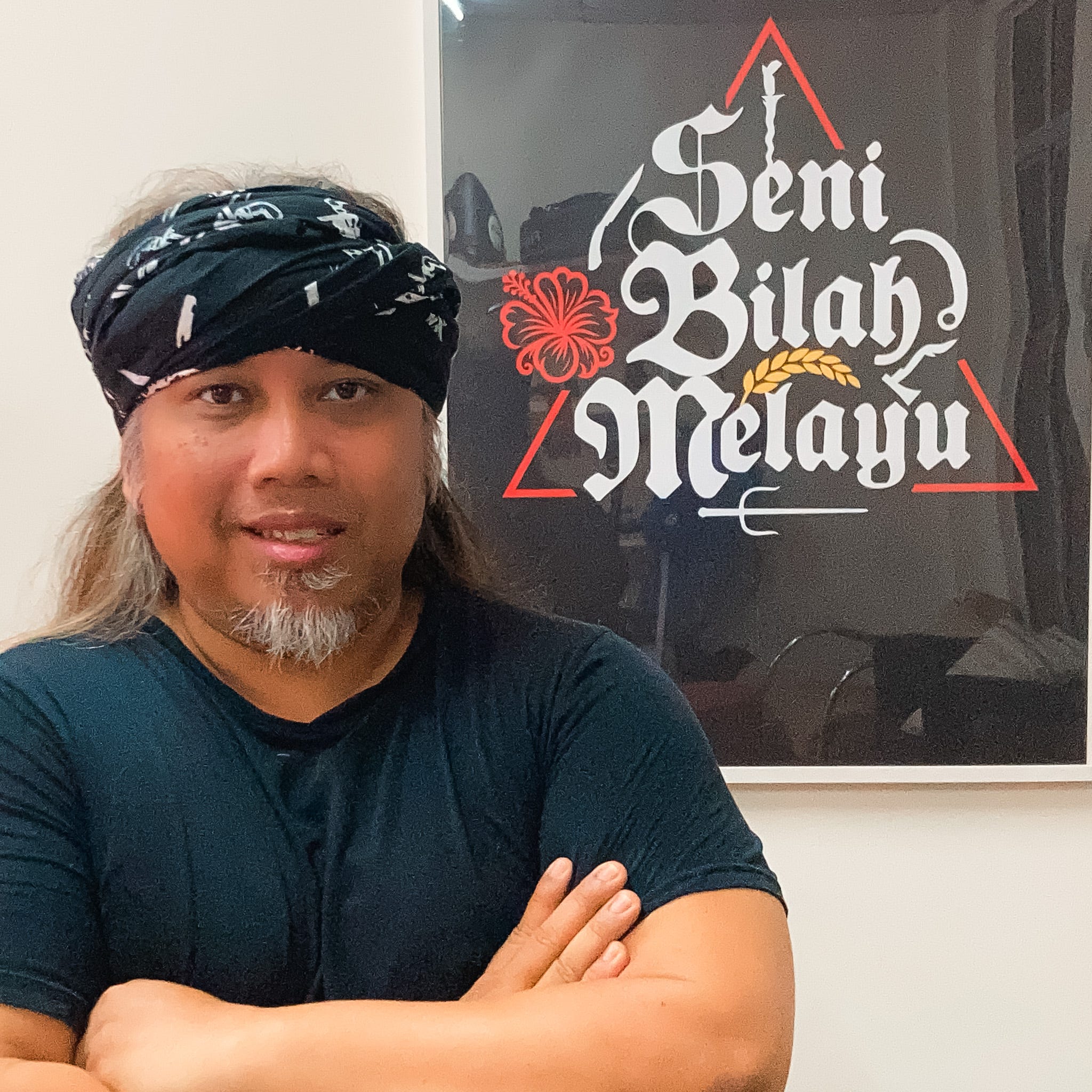
In the Malay world, clothing was never separate from function. What was worn had to move with the body, endure labour, and adapt to changing conditions. The semutar reflects this way of thinking clearly — simple in form, flexible in use, and ready when needed.
A Cloth of Work, Travel, and Readiness
Historically, the semutar accompanied warriors, silat practitioners, travellers, farmers, fishermen, and seafarers through daily labour, long journeys, and moments of readiness. It was tied in a manner that was secure yet easy to untie, allowing it to be quickly released and reused when circumstances changed.
This mattered. A cloth that could be loosened, removed, retied, or repurposed without fuss allowed the wearer to remain alert and adaptable. The semutar was not decorative — it was responsive.
The fabric itself was never fixed. Loose batik cloth, towels, or turban cloth were commonly used, depending on availability and need. What defined the semutar was not the material, but its use as a practical head wrap.
Traditionally, the kain semutar is worn on the head, and this remains its primary and defining position. Preserving this understanding is important out of respect for its East Coast origins.
At the same time, lived practice sometimes reveals quiet extensions. Through observation, I noticed that the same cloth worn as a semutar on the head was occasionally tied around the waist when circumstances required it. The cloth itself did not change — only its placement in that moment.
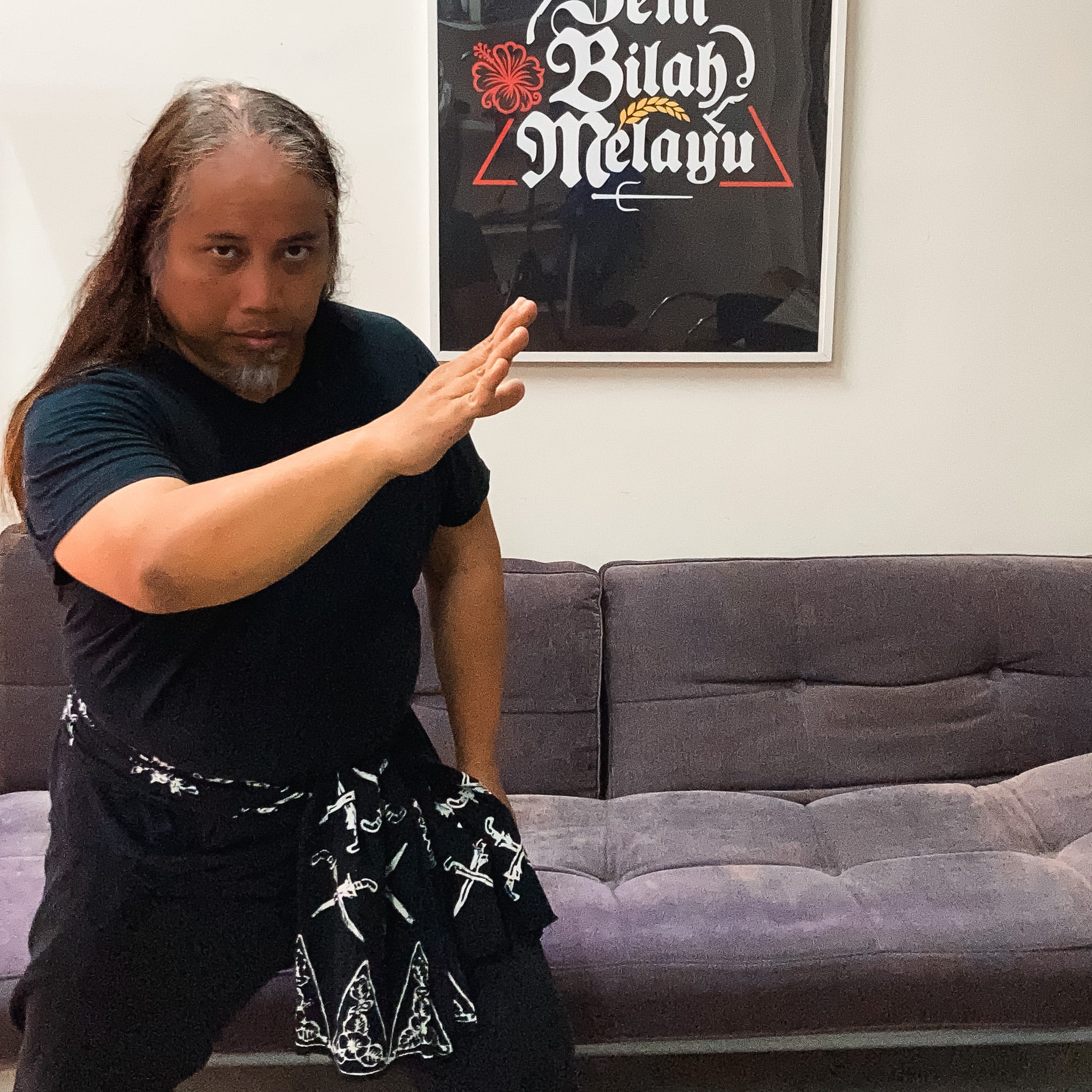
In my own training today, most of the time I wear a sarong I own tied around my waist. This is to reflect an observed practice within Silat: a practical cloth being repositioned to remain accessible and ready.
When tied at the waist, the cloth serves familiar functions — supporting movement, securing garments, freeing the hands, or remaining available when needed. This reflects a wider Malay approach to clothing: use determines placement, not rigid convention.
In silat practice, this mindset remains relevant. A cloth that can be untied quickly, adjusted easily, and reused without ceremony supports movement, readiness, and awareness.
Printing Your Own Semutar Today
Today, semutar-style cloths are not always easily accessible to Silat practitioners, particularly those living outside of Malaysia. To address this, I chose to offer print-ready semutar designs, allowing practitioners to print their own cloth locally using materials available in their area.
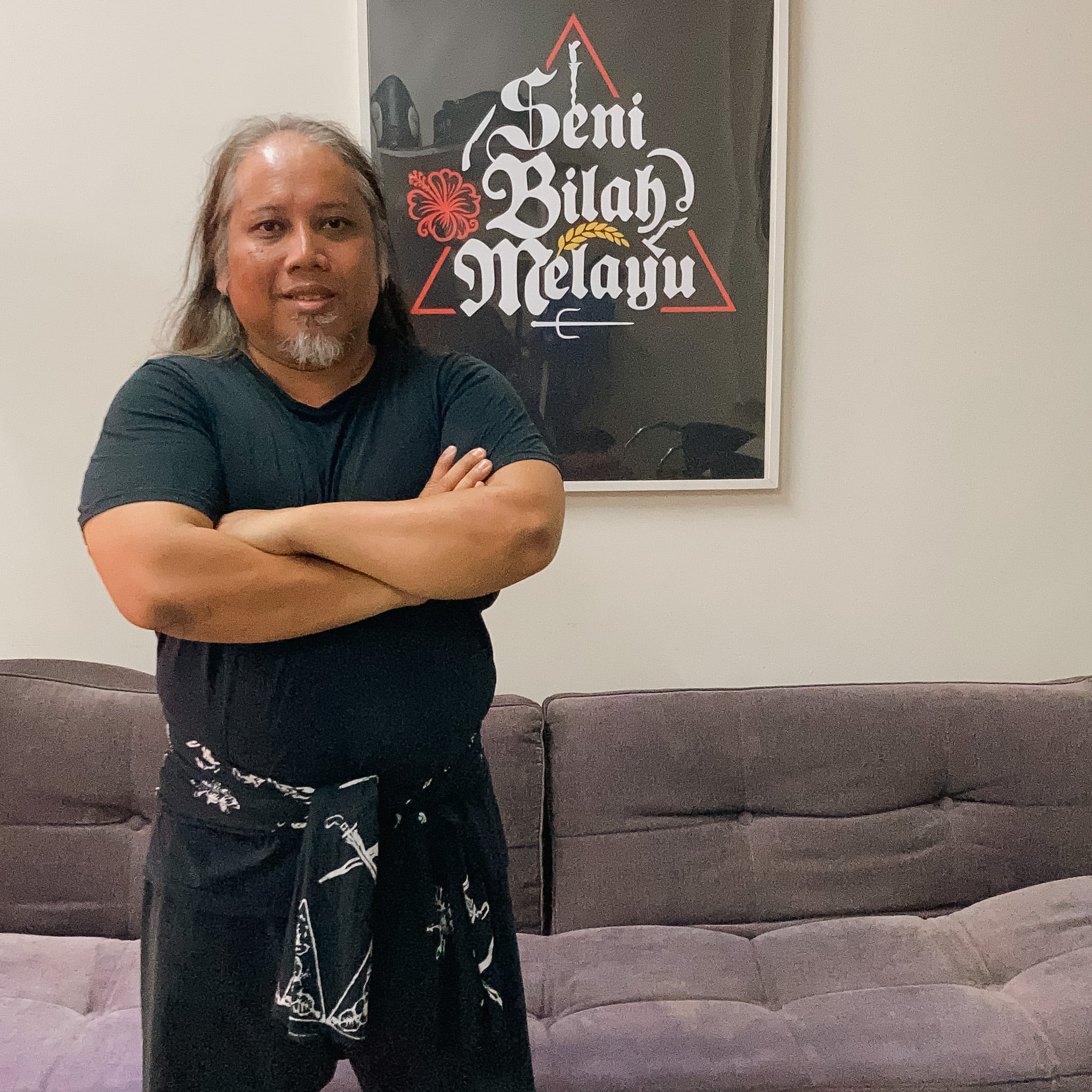
This approach keeps the spirit of the semutar alive: adaptability, practicality, and personal use over display.
Rather than producing finished garments, I provide the design itself, giving practitioners the freedom to choose fabric, printing method, and finish according to their needs.
Fabric and Printing Options
Preferred:
Cotton or similar natural fabric
Alternative:
Polyester dri-fit fabric using sublimation printing
If cotton textile printing is not available locally, sublimation printing on sportswear-grade polyester is a practical alternative. It produces a lightweight, breathable, quick-drying cloth suitable for training.
This option has been discussed and used in practice and is considered functional for modern silat training.
For sublimation printing, light-coloured or white polyester fabric is recommended for best results.
Semutar Senjata — A Print-Ready Design
As part of this exploration, I designed Semutar Senjata – Silat Pattern Sarong, a print-ready semutar design inspired by silat weapon forms and movement principles.
The pattern is intentionally:
Text-free
High-contrast
Balanced and geometric
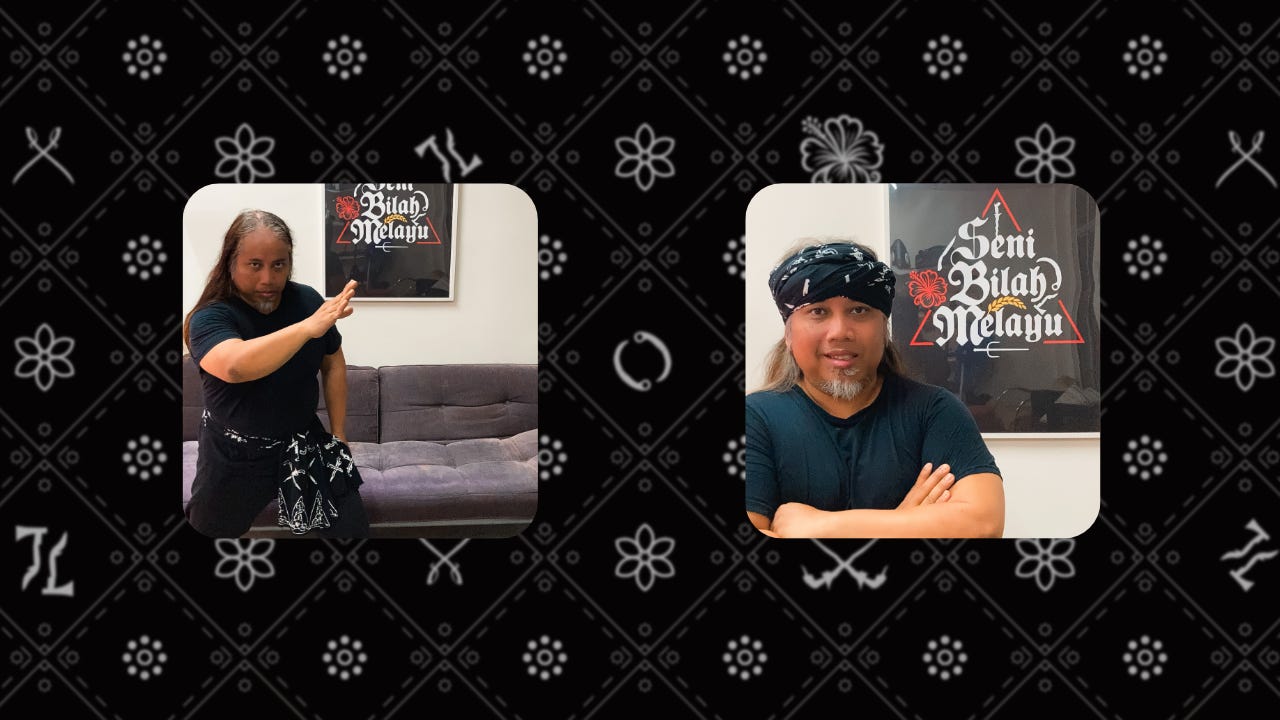
This makes it suitable for training, filming, and daily use — without reducing the semutar to fashion or costume.
The digital file includes:
Print-ready PDF
EPS file
Adobe Illustrator (AI) file
Canvas size: 70 × 35 inches
Resolution: 300 DPI
You can print the design at any local print shop on your preferred fabric.
👉 Semutar Senjata – Silat Pattern (Digital Design):
https://ilmkhal.gumroad.com/l/semutarsenjata
(The semutar shown being worn in photos is for demonstration of use and wear. The product offered is the digital pattern design.)
Practice Made Visible
I use the sarong around my waist in training, teaching, and filming. When I wear this same cloth around my head, it becomes a semutar. I designed this pattern to be functional first — something that works in movement, manages sweat, and presents a grounded presence on camera.
This is not fashion.
It is practice made visible.
—
Ilmi Khalid
Seni Bilah Melayu
Bladeart Studio · Ilmkhal Studio